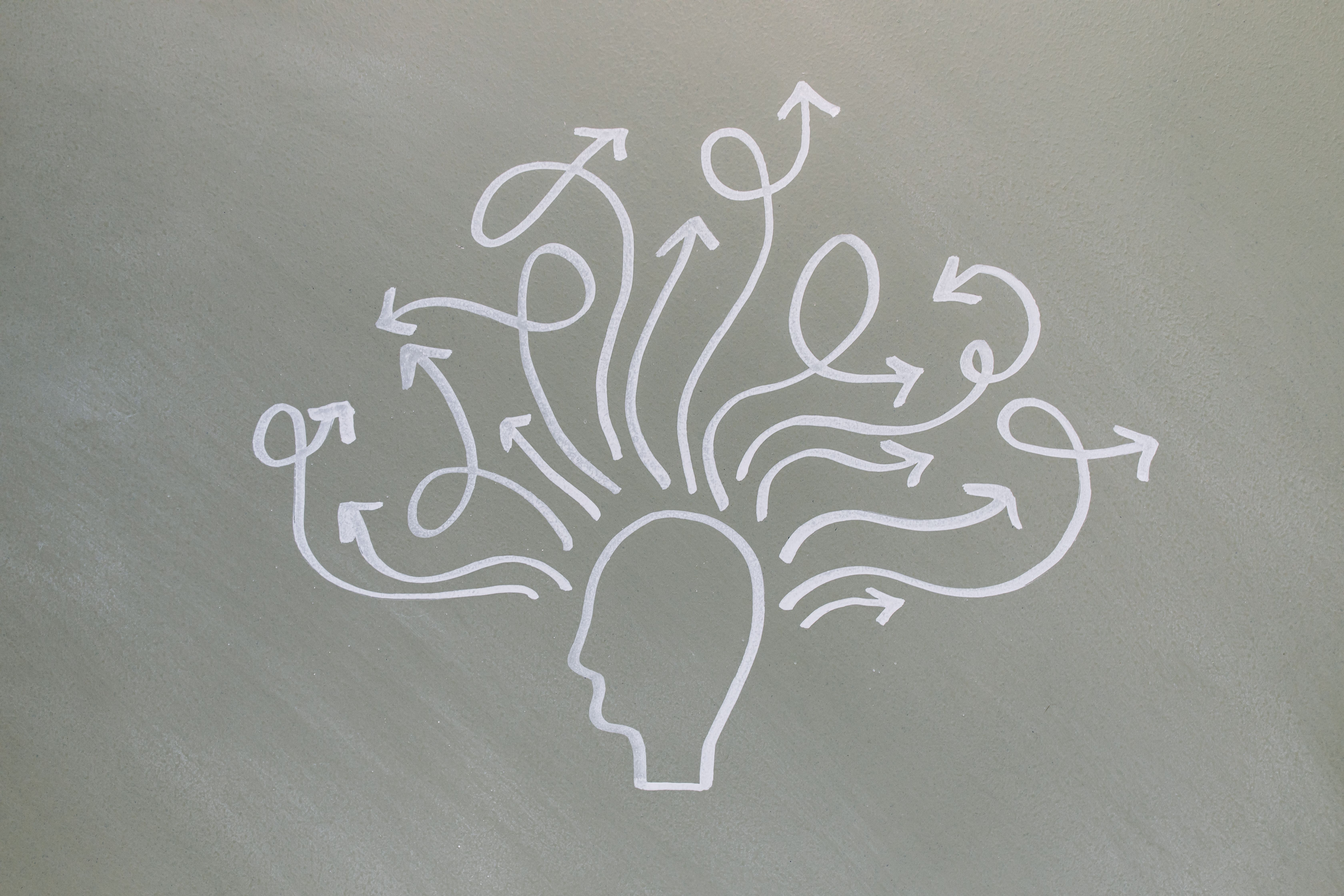
Every day, we make countless decisions without fully realizing what drives them. From the clothes we wear to the way we respond in conversations, much of our behavior is guided by influences that remain hidden beneath the surface. These unseen forces quietly shape our preferences, attitudes, and habits, often without conscious awareness. Understanding these influences can help us become more mindful and intentional in our choices.
The Power of Subconscious Conditioning
One of the strongest unseen influences is subconscious conditioning. From childhood, people absorb beliefs, cultural norms, and behavioral patterns from their surroundings. Family values, school environments, and media exposure all contribute to shaping how individuals think and act.
For example, someone might feel drawn to a certain style or aesthetic without knowing why. Trends such as the popularity of an instagram stylish hidden face girl pic often reflect deeper social influences around identity and self expression. These patterns are not random but are shaped by repeated exposure and societal approval.
Social Influence and Group Dynamics
Humans are naturally social beings, and the desire to fit in plays a significant role in decision making. Peer influence can subtly guide choices in everything from lifestyle habits to opinions on important issues. Even when individuals believe they are acting independently, social expectations often play a role.
This influence extends to professional environments as well. Businesses and organizations understand how group behavior works and often use it strategically. Platforms like pedrovazpaulobusinessconsultants.org highlight how social dynamics can influence decision making within companies, encouraging collaboration while also shaping outcomes in subtle ways.
The Role of Environment
The environment we live in has a profound impact on our daily actions. Physical surroundings, such as lighting, colors, and layout, can influence mood and behavior. A well organized space can promote productivity, while clutter may lead to distraction or stress.
Beyond physical space, digital environments also shape behavior. The information we consume online, the apps we use, and the notifications we receive all play a role in guiding our attention and decisions. These influences often operate quietly, making it important to occasionally step back and evaluate how our environment affects us.
Cultural and Economic Factors
Cultural background and economic conditions are powerful unseen forces that shape daily choices. Traditions, language, and societal expectations influence how individuals perceive opportunities and challenges.
Government initiatives and policies also affect decision making in indirect ways. For instance, schemes like pmay g influence housing decisions and financial planning for many individuals. While such programs are designed to provide support, they also guide long term choices about where and how people live.
Habit Formation and Routine Thinking
Habits are another major unseen influence. Once a behavior becomes routine, it requires little conscious thought. This efficiency allows people to function smoothly but can also lead to automatic decision making without reflection.
Learning systems, such as mastering basics like barakhadi ka se gya tak, demonstrate how repetition builds familiarity and ease. Similarly, daily habits shape how individuals approach tasks, solve problems, and interact with others. Over time, these patterns become deeply ingrained, influencing choices in subtle yet powerful ways.
Technology and Digital Nudges
Modern technology plays a growing role in shaping decisions. Algorithms analyze user behavior and present tailored content, subtly guiding preferences and actions. From recommended videos to targeted advertisements, these digital nudges influence what people see and how they respond.
Even small interactions, such as downloading apps or exploring tools like findapkmods, reflect how technology can guide behavior through convenience and accessibility. While these tools offer benefits, they also shape habits and preferences in ways that often go unnoticed.

Emotional Triggers and Decision Making
Emotions are another hidden driver of behavior. Feelings such as fear, excitement, or curiosity can influence decisions more than logic. Marketing strategies, social interactions, and even personal memories often tap into emotional responses to guide choices.
For instance, a positive experience associated with a product or place can create a lasting preference, while a negative one may lead to avoidance. These emotional connections operate below the level of conscious reasoning but play a crucial role in shaping actions.
Becoming More Aware of Hidden Influences
Recognizing unseen influences is the first step toward making more intentional choices. By reflecting on why we make certain decisions, we can begin to separate genuine preferences from external pressures.
Simple practices such as mindful observation, journaling, or taking breaks from digital media can help increase awareness. Over time, this awareness allows individuals to align their actions more closely with their values and goals.
Conclusion
Our daily choices are shaped by a complex web of unseen influences, including subconscious conditioning, social dynamics, environment, culture, habits, technology, and emotions. While these factors operate quietly in the background, they have a powerful impact on how we live and interact with the world. By becoming more aware of these hidden forces, we gain the ability to make more thoughtful and intentional decisions. Instead of being guided entirely by unseen influences, we can take control of our actions and create a life that reflects our true priorities.

