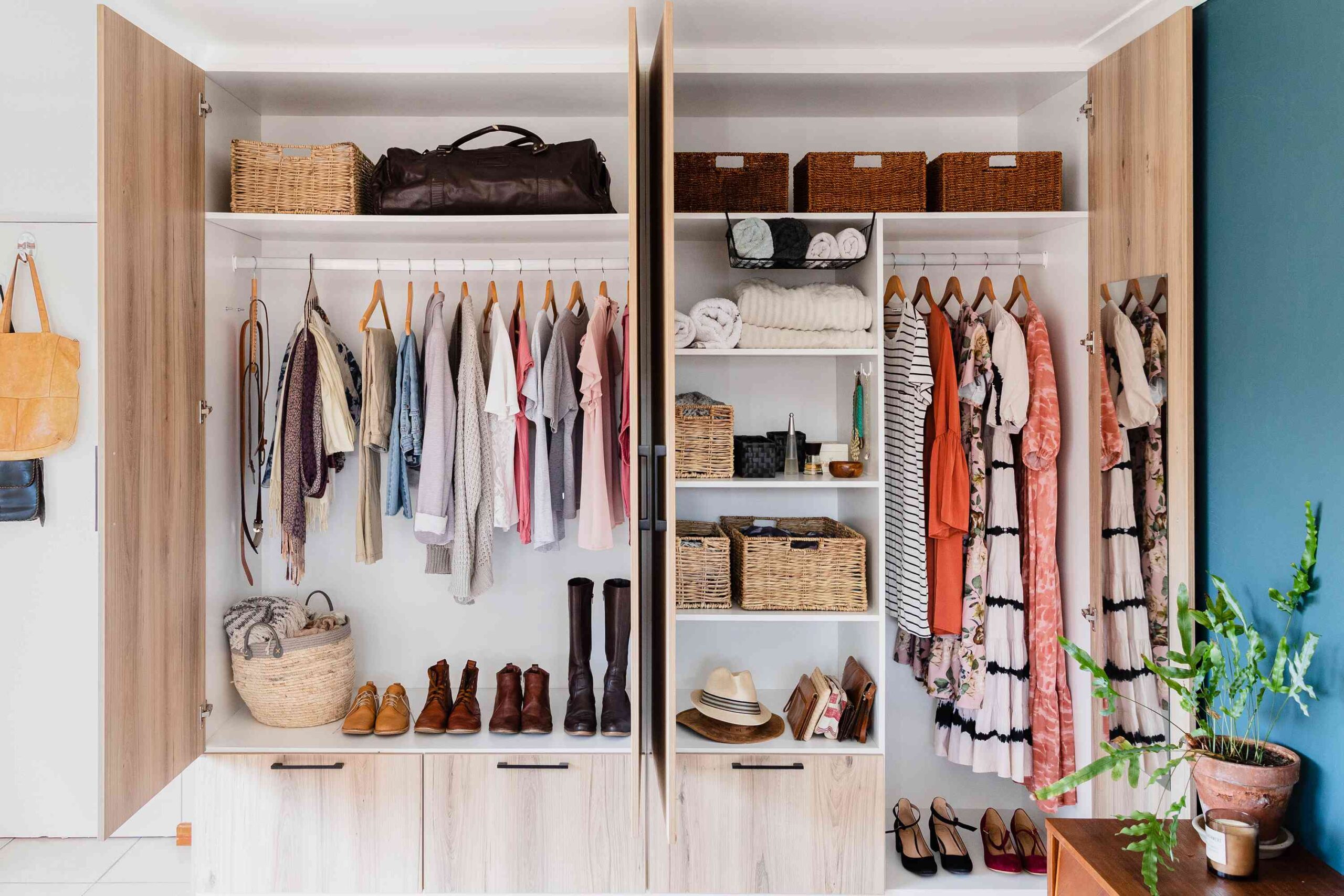
After 16 years managing retail space design and personal styling systems, I’ve learned that cluttered wardrobes aren’t caused by lack of space—they’re caused by lack of structure. Back in 2018, people thought more hangers meant better organization. Now we know it’s less about capacity and more about habits. From corporate wardrobes to everyday closets, here’s what actually works for long‑term wardrobe control and daily efficiency.
Start with a Complete Declutter Session
The 80/20 rule always applies—most of us wear 20% of our wardrobe 80% of the time. I once worked with a retailer whose storage overflowed simply because they hadn’t reviewed inventory in years. Once we audited every piece, space usage improved by 45%.
Pull everything out, review item by item, and be ruthless about keeping only what fits and functions. Donate or sell duplicates and outdated pieces. For practical decluttering motivation, Texas Answers discusses simple home strategies that shift decision fatigue into action, helping you let go without guilt.
Categorize by Type, Color, and Frequency of Use
Here’s what nobody tells you—organization falls apart because of inconsistent sorting systems. I once restructured a showroom where the main fix wasn’t more shelving; it was a color‑coded system. It cut restocking time by half.
Group clothes by category—work, leisure, formal wear—and then within each, arrange them by color or use frequency. This keeps the wardrobe intuitive and visually balanced. For smart pattern‑organization frameworks, E‑Autokaufen Online illustrates how structured layouts improve speed and order—applicable in closets just as in logistics.
Invest in Space‑Saving Hangers and Storage Tools
Look, the bottom line is tools matter. Back in 2019, we tried cheap plastic hangers in a client’s boutique. They cracked within months, bending clothes out of shape. Switching to uniform, slim, velvet hangers saved space and kept fabrics aligned for years.
Add tiered hangers, stackable bins, and drawer dividers for smaller accessories. These maximize space vertically while maintaining visual harmony. For efficient item organization and durable material guides, Top Gebraucht Autos shares lessons on spatial optimization that surprisingly apply to fashion storage as well.
Seasonal Rotation Keeps Things Flexible and Fresh
I’ve seen this play out repeatedly—wardrobes collapse under redundancy. In one consultation, a client stored winter coats beside summer dresses year‑round. The visual overload alone discouraged upkeep. After introducing seasonal rotation, her closet became manageable overnight.
Use labeled storage boxes for off‑season clothes or store them on higher shelves. Switch contents every six months for both space and clarity. And if you’re managing multiple wardrobe categories, Men Wedding Rings offers minimalist collection curation ideas that align well with rotational planning and capsule dressing.
Maintain Consistency with Weekly Micro‑Resets
What I’ve learned is that organizing your wardrobe once isn’t the challenge—it’s keeping it that way. During my time advising executives, the ones who stayed effortlessly prepared were those who scheduled 10‑minute “wardrobe resets” each week. Tiny maintenance beats annual overhauls.
Refold misplaced items, discard damaged pieces, and realign hangers. A short, focused routine keeps order sustainable. For day‑to‑day structure habits that stick, organizational experts on The Spruce share practical micro‑maintenance methods similar to office productivity systems.
Conclusion
From a professional standpoint, wardrobe organization mirrors business management—structure beats accumulation. The smartest clients I’ve worked with treat their closets like assets: regularly audited, properly categorized, and optimized for quick, confident choices. The reality is, order pays dividends every morning you can dress without stress. Build the system once, maintain it periodically, and watch how clarity follows everywhere else in life.
FAQs
How often should I declutter my wardrobe?
Review it every six months, ideally during seasonal changes, to remove items you no longer wear or need.
What items should I use to organize small wardrobes?
Slim hangers, shelf dividers, and under‑bed storage boxes maximize space in minimal areas.
Is color‑coding clothes really effective?
Yes. It allows you to locate items quickly, improves visual appeal, and reduces time spent choosing outfits.
How can I maintain an organized wardrobe long‑term?
Set aside 10 minutes weekly for quick tidying sessions to prevent clutter buildup.
What’s the best way to store seasonal items?
Pack them in moisture‑resistant containers and rotate them during weather transitions for better space efficiency.


