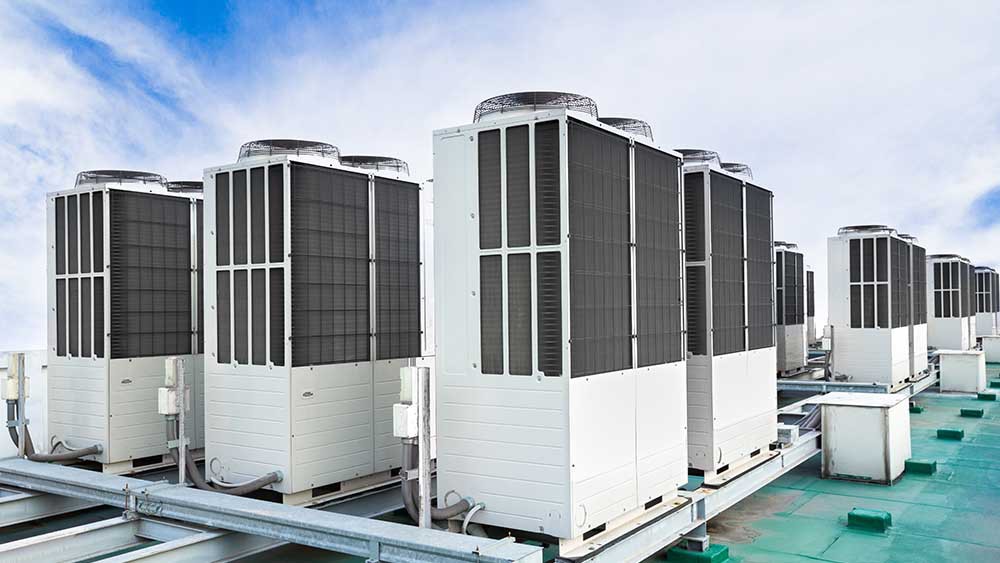
In order to ensure that your facility is comfortable, efficient, and productive, you need the right commercial refrigeration system. If you’re in charge of a warehouse and retail store, office buildings, data centres, manufacturing plants, or even office buildings, reliable commercial cooling solutions are key to ensuring a pleasant atmosphere as well as optimal performance from your staff and equipment. As there are so many different types of systems and technologies, it is important to carefully assess your facility needs before making a decision.
Here’s an extensive guide to help select the right commercial refrigeration system for your office or building.
1. Take A Look At The Size And Layout of Your Facility
Size and configuration are important factors in determining the most effective cooling system. A small warehouse with many bays or high ceilings will need a completely different cooling setup.
- Split systems (RTUs or rooftop units) may be a good option for small and medium offices
- Large, unobstructed spaces, such as warehouses or distribution centres, often require evaporative or large-scale air conditioning systems.
- Multistory Buildings require zoned systems to provide even cooling throughout the different floors.
The cooling load, or the heat energy to be removed from the room, is crucial in determining the proper system size. The HVAC professional can do a detailed study of the load in your home to determine the right size system.
2. Take Into Account The Space’s Use
The cooling needs of different facilities are different. Consider the following:
- For retail spaces, a comfortable temperature is required to protect the inventory and provide comfort for customers.
- To prevent server overheating, data centres need precision cooling.
- Industrial and manufacturing environments require systems that are capable of handling the heat generated by machines or equipment.
If you know the cooling requirements for your specific space, then you can select a system with the appropriate features.
3. Compare Energy Efficiency
Energy costs have a direct impact on the budget of your facility, so maximising efficiency should be your top priority. Search for systems with a high SEER rating (Seasonal Efficiency ratio) or EER rating (Energy Efficiency ratio). Modern cooling systems for commercial buildings often include energy-saving functions such as:
- Variable speed motors
- Smart thermostats and zoned controls
- Heat recovery systems
- Programmable scheduling
Investment in high-efficiency units may have a higher initial cost, but they pay for themselves through lower utility bills or government rebates.
4. The Benefits Of The Different Types Of Systems
Here are some examples of common commercial cooling systems with their advantages.
Split Systems
- Ideal for spaces and buildings with limited space.
- It is easy to install, and it’s cost-effective.
- Includes an indoor-outdoor unit.
Packaged Rooftop Units (RTUs),
- Common in retail stores, offices and light industry buildings.
- On-roof systems are all-in-one and save space.
- Easy to maintain, upgrade and improve.
Chillers with Air-Cooled (or Water-Cooled Cooling)
- Useful in commercial and industrial buildings.
- The scalability and precision of temperature control are unmatched.
- Installing a higher-performance system at a higher cost.
Evaporative Coolers
- The product is best suited to hot, dry climates.
- AC systems are less energy-intensive than their traditional counterparts.
- This product requires regular maintenance, including good ventilation.
VRF/VRV Systems (Variable Refrigerant Flow/Volume)
- High-performance and fully customisable.
- Allows individual temperature control in different zones.
- Ideal for multi-zone buildings or multi-tenant structures.
5. Add In The Cost Of Installation And Maintenance
Some systems require more time and money to install. Chillers and ducted HVAC systems may need a large amount of space and time in order to be installed. Don’t forget to consider:
- Availability of space for installation (e.g. rooftops, mechanical rooms).
- Installing the system and dealing with any disruptions can take some time.
- Access to maintenance is easy
- Availability of service providers for the system type
The importance of long-term upkeep is also important. Maintenance and repairs are made easier with systems that have readily accessible components and self-diagnostics. Replacement parts and other replacements are also widely available.
6. Plan For Scalability & Future Growth
Your cooling requirements may change in the future. Your system should adapt to changes in business growth or increased building occupancy. Modular cooling systems such as VRFs and scalable, configurable chillers allow you the ability to increase your capacity without changing your entire infrastructure.
It is important to plan ahead. Not only will you save money, but the impact on the environment by reducing equipment replacements can be reduced.
7. Experienced HVAC Professionals Are The Best Choice
Selecting the right system doesn’t only involve equipment. It involves design, sizing, integration, and more. A contractor with HVAC experience can assess your home, recommend a system that best suits your needs and ensure its installation for optimal performance. The contractor can help you understand government regulations, code compliance, and rebates.
Conclusion
In order to select the best commercial cooling systems, you need to do more than simply choose a certain brand or check a few specifications. It is important to understand your facility’s size, function, energy usage, and future needs. With a professional HVAC consultant and a strategic plan, you will be able to invest in a system that keeps your employees comfortable and productive while also keeping costs down.
No matter whether it’s an office rooftop unit, an industrial chiller, or a warehouse evaporative cooling system, the best commercial cooling solutions are those that support your operations today, but also scale with them tomorrow.