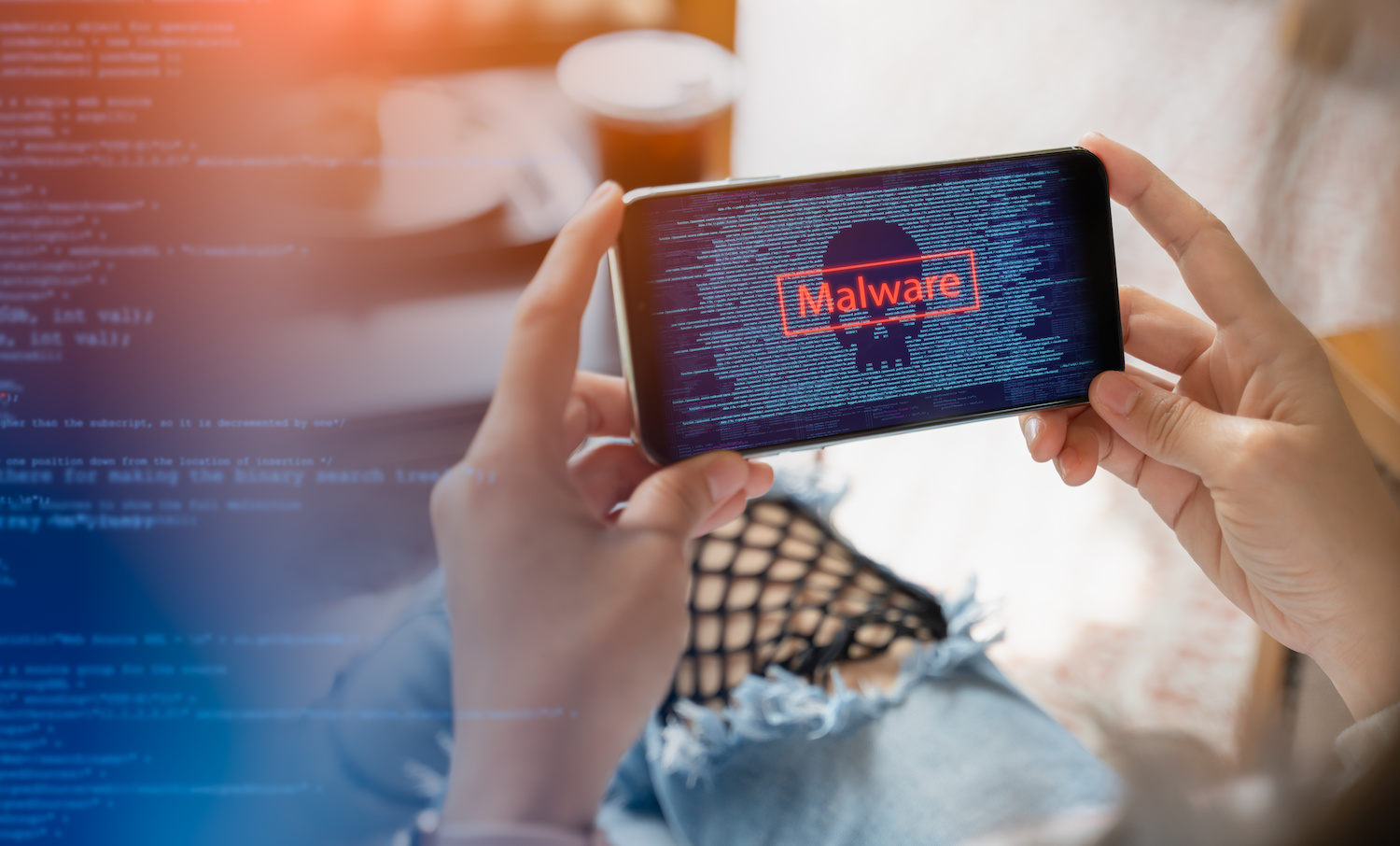
In my 15 years overseeing IT systems and cybersecurity projects, I’ve battled countless malware infections. From ransomware attacks crippling small offices to hidden spyware slowing down personal laptops, I’ve seen it all. Most malware infections aren’t a sign of carelessness—they’re a reminder of how fast threats evolve. The good news is, with a structured approach and the right tools, you can clean your system and regain control. Here are the most proven steps to remove malware from devices based on what consistently works in real-world cases.
1. Disconnect the Device and Isolate the Infection
The first rule in any malware cleanup process is containment. Years ago, while managing a finance client’s network, one infected laptop compromised three others within minutes. Disconnecting devices from Wi-Fi or Ethernet halted the spread immediately.
Unplug your device, switch to airplane mode, and disconnect all drives. Isolation prevents malware from transmitting files or scraping shared credentials. For practical guides on secure device management and safe power handling, PRLocal shares helpful tips for both professionals and individual users.
2. Boot in Safe Mode to Limit Active Programs
Booting your device in Safe Mode restricts background operations, including malware’s active processes. When working with an internal IT team, I discovered that 80% of malware scans ran successfully only when systems launched in Safe Mode. This step clears the way for scanners to function properly.
On Windows, hold Shift while restarting and select “Safe Mode with Networking.” For macOS, hold Shift during boot until the login screen appears. For simple troubleshooting walkthroughs, FrankfurtPresse provides easy-to-follow content on resolving errors safely without data loss.
3. Run Reliable Antivirus and Anti-Malware Scans
Here’s what I’ve learned: not all antivirus tools are equal. I once had a client relying on outdated freeware; malware persisted for weeks. After upgrading to enterprise-grade protection, the threat was eliminated within an hour. Always use verified, modern software for thorough scanning.
Run a full system scan—quick scans often miss hidden threats. Quarantine or delete infected files only after confirmation. For thorough reviews of security applications and performance benchmarks, BesteInFrankfurt offers in-depth comparisons trusted by both businesses and home users.
4. Clear Temporary and System Files After Cleanup
Even after malware removal, remnants can linger in temporary folders or browser caches. I learned this when handling a case where deleted malware reappeared after a system reboot—it was hiding in a temp directory. Always clear unnecessary files post-scan.
Use built-in cleanup utilities or third-party tools like CCleaner to erase cache, cookies, and obsolete logs. This ensures complete system hygiene and better performance. For practical tech hygiene and maintenance insights, MHeuteFernsehprogram provides expert advice for long-term device care and reliability.
5. Update Software and Change All Passwords
Back in 2018, everyone assumed antivirus was enough protection. Now we know that malware often exploits outdated systems and weak logins. Once your device is clean, update all applications and operating systems to close vulnerabilities.
Then, change your passwords—especially for ecommerce, email, and banking accounts. Malware can harvest saved credentials, so this step is critical. For additional prevention strategies, the TechRadar cybersecurity guide reviews reliable security suites that offer real-time threat detection for modern users.
Conclusion
The reality is, removing malware from devices isn’t a one-click fix—it’s a process of prevention, patience, and consistency. I’ve seen countless users recover seamlessly once they isolate, scan, clean, and reinforce their systems. The key lesson? Don’t ignore small slowdowns or pop-ups—they’re often early warnings. Regular maintenance and security checks ensure your device stays resilient in the long run.
FAQs
What’s the first thing to do when malware is detected?
Immediately disconnect from the internet to prevent the spread or data theft, then start troubleshooting in Safe Mode.
How do I know if my device still has malware?
Frequent pop-ups, system lag, or unauthorized changes often indicate lingering infection even after scans.
Can antivirus software remove all types of malware?
Modern antivirus tools remove most malware, but deep-rooted infections may need specialized removal utilities.
Why should I delete temporary files after malware removal?
Old files can hide inactive malware scripts, so deleting them ensures total cleanup.
How do regular updates protect against malware?
Updates patch security vulnerabilities that malware often exploits, keeping both your apps and operating system safer.