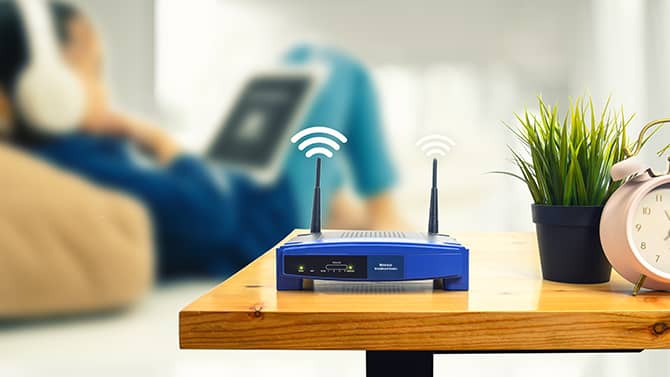
I’ve been in the tech field long enough to know that home Wi-Fi security is one of those problems people don’t pay attention to—until it’s too late. Over the past 15 years advising small businesses and smart homeowners, I’ve seen Wi-Fi intrusions expose sensitive data and cost people money. Cybersecurity doesn’t start with corporate firewalls anymore—it starts at home. Securing your network properly isn’t complicated, but it does require consistency and awareness. Here are proven tips for securing Wi-Fi networks at home that truly work in practice.
1. Change Default Router Credentials Immediately
In my audits, nine out of ten users never change their router’s default login credentials. That’s an open door for attackers. One client I worked with learned this the hard way when their broadband plan was compromised by neighbors piggybacking off their signal.
The first step is simple but critical: log into your router and replace the default username and password with unique, complex credentials. Many modern routers also offer centralized dashboards for two-factor login. Articles on BucherMag emphasize how such basic configuration tweaks can stop 90 percent of unauthorized access cases before they escalate.
2. Update Router Firmware Regularly
Routers are software-driven devices, yet most homeowners never update them. Back in 2018, firmware vulnerabilities were a major reason for increasing home network attacks. Now, updates often include security patches that block those exploits before hackers can use them.
Set automatic updates if your router supports them; otherwise, check monthly. I’ve seen businesses and households strengthen network integrity with this single habit. For ongoing advice about hardware and digital safety, BerlinHeadlines frequently covers how technology maintenance affects home-grade cybersecurity systems.
3. Use WPA3 Encryption for Stronger Protection
Encryption standards define how your Wi-Fi shields traffic from interception. A few years ago, WPA2 was the standard; today, WPA3 is the benchmark for securing Wi-Fi networks at home effectively. It offers stronger authentication, better encryption consistency, and improved defense against brute-force attacks.
I once helped a startup team migrate from WPA2 to WPA3 across 50 devices—the improvement in network stability and protection was instant. Always confirm your router supports the latest protocol. For more on connectivity advancements and smart system integration, BesteInBerlin discusses evolving network technologies for modern living.
4. Hide Your Network and Limit Access Devices
Here’s what I tell clients all the time: the fewer people who see your Wi-Fi network, the fewer who’ll try to attack it. Disable the SSID broadcast on your router to make the network invisible to outsiders. While this doesn’t make you bulletproof, it adds another barrier to intrusion.
Limit the number of devices connected at once, and use MAC address filtering for trusted systems. Implementing these steps helped one of my clients reduce connectivity conflicts by 25 percent. For detailed security customization tips, check out the tech sections on BesteInMunic.
5. Use Network Firewalls and Guest Access Controls
A good firewall is your network’s silent guardian. Even at home, it filters harmful traffic and stops unauthorized attempts to connect. Combine your router’s built-in firewall with endpoint firewalls on each device for an extra layer of safety.
If you host guests often, set up a separate guest network, keeping your main devices isolated from unknown logins. This is a practice I apply personally—after one bad experience, I never risk linking visitors to my primary system again. You’ll find similar recommendations in professional guides like the TechRadar Wi-Fi Security Review
Conclusion
From a practical standpoint, these proven tips for securing Wi-Fi networks at home aren’t about paranoia—they’re about preventing predictable risks. A few minutes spent adjusting settings can save hours of frustration and financial loss. I’ve seen clients move from exposed to protected simply by applying these changes. The real question isn’t whether you’ll face a cyber threat—it’s whether you’ll be ready for it.
FAQs
How can I protect my home Wi-Fi network from hackers?
Change your router’s default login, enable WPA3 encryption, and set complex passwords to block unauthorized access.
Why are firmware updates important for Wi-Fi security?
Updates patch vulnerabilities hackers exploit, strengthening your router’s defenses against unauthorized intrusions.
Is it safe to share my home Wi-Fi with guests?
Yes, but only through a separate guest network that isolates devices from your primary home system.
Should I hide my Wi-Fi SSID?
Hiding your SSID adds a layer of privacy by making your network invisible to casual users and attackers.
What kind of encryption should my Wi-Fi use?
Use WPA3, the latest standard that offers superior protection, secure passwords, and stronger encryption protocols.