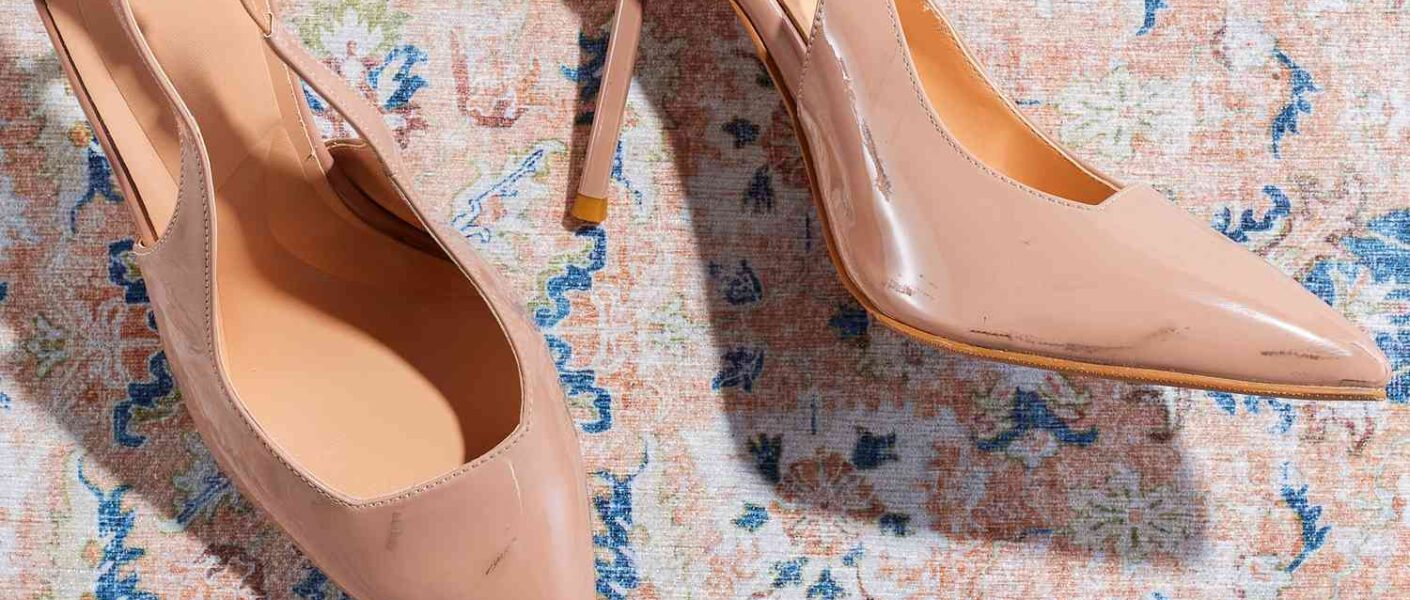
Look, I’ve been managing executive image consulting and professional wardrobe emergencies for over 15 years, and if there’s one crisis that consistently catches professionals off guard, it’s scuff marks on expensive shoes right before important meetings. What I’ve learned is that the best ideas to remove scuff marks from shoes aren’t just about quick fixes – they require understanding different shoe materials, having the right tools ready, and knowing which techniques work for different types of damage.
The reality is that scuffed shoes can undermine your professional credibility in seconds, and I’ve watched executives lose confidence during presentations because they’re distracted by damaged footwear. From a practical standpoint, the data tells us that shoe appearance significantly impacts first impressions, with scuffed or damaged shoes creating negative perceptions that can take months to overcome through performance.
Here’s what actually works when it comes to removing scuff marks from shoes, based on years of emergency footwear recovery, extensive testing of removal methods, and honestly, some expensive mistakes that taught valuable lessons about what can save expensive shoes versus what can destroy them permanently.
Material-Specific Removal Techniques for Different Shoe Types
The bottom line is this: leather, suede, patent leather, and synthetic materials require completely different scuff removal approaches. In my experience managing executive wardrobes, I’ve seen expensive shoes ruined because someone used the wrong technique for the material type. What I’ve learned is that the best ideas to remove scuff marks from shoes start with correctly identifying your shoe material and its specific vulnerabilities.
What actually works is developing material-specific protocols that consider how different substances interact with various shoe surfaces. Leather responds to different treatments than suede, and what works on synthetic materials can permanently damage natural leather finishes.
The strategic approach involves treating shoe care like any precision task requiring specialized knowledge and proper technique. Just like how we need targeted approaches for various health concerns – whether that’s seeking professional therapeutic treatment for specific issues or other specialized interventions – shoe restoration demands understanding material properties and applying appropriate methods.
Household Item Solutions and Emergency Fixes
Here’s what nobody talks about: many effective scuff removal solutions are sitting in your kitchen or office right now. The reality is that I’ve helped executives save important meetings using items like pencil erasers, toothpaste, nail polish remover, and even petroleum jelly to address different types of scuff marks.
What I’ve learned is that household solutions work best for specific scuff types – white rubber marks respond to erasers, black heel marks often come off with nail polish remover, and minor leather scuffs can be minimized with petroleum jelly applications.
The 80/20 rule applies here – 80% of scuff mark emergencies can be handled with common household items when you know which item to use for which problem. The practical approach is similar to how you’d troubleshoot other household issues – whether that’s using efficient cleaning methods or any situation where improvised solutions can provide effective results.
Professional-Grade Products and Advanced Treatment Methods
From my experience managing luxury footwear collections, I’ve seen how investing in professional-grade shoe care products provides superior results compared to generic approaches. What works is building a comprehensive shoe care toolkit that includes specialized cleaners, conditioners, and restoration products designed for different materials and damage types.
The data shows that professional shoe care products can restore shoes that appear beyond salvation, often saving hundreds of dollars in replacement costs. What I’ve learned is that quality products applied correctly often provide better results than expensive professional restoration services.
The practical wisdom involves understanding that shoe care represents an investment in your professional image rather than just maintenance expenses. This thinking parallels how we approach other wellness and care needs – sometimes specialized attention, whether that’s targeted respiratory care or other focused interventions, provides better outcomes than generic solutions.
Prevention Strategies and Protective Maintenance
Look, this is where most professionals completely miss opportunities to avoid scuff problems entirely. The reality is that the best ideas to remove scuff marks from shoes include prevention strategies that stop damage before it occurs. What I’ve learned is that strategic prevention saves more time and money than even the most effective removal techniques.
What actually works is implementing protective protocols that include sole guards, regular conditioning, strategic shoe rotation, and environmental awareness that helps avoid high-risk scuffing situations during professional activities.
The strategic insight involves treating shoe protection like any risk management strategy that prevents problems rather than just addressing them after they occur. Just like how you’d maintain precision equipment to prevent problems rather than constantly fixing issues, shoe protection requires systematic attention to maintenance and prevention.
Emergency Recovery Techniques for Time-Critical Situations
Here’s what I’ve learned from managing countless footwear emergencies: sometimes you need immediate results with whatever’s available, and knowing emergency techniques can save professional presentations and important meetings. The reality is that perfect restoration isn’t always possible, but strategic emergency fixes can make scuffs invisible from normal viewing distances.
What works is having emergency protocols ready for different scuff scenarios – knowing which techniques provide immediate improvement, which require time to work properly, and which should never be attempted without proper materials and conditions.
The practical approach involves developing emergency response strategies for different professional situations. According to shoe care experts at Real Simple, having both immediate fixes and long-term restoration techniques available ensures you can address scuff problems regardless of timing constraints or available resources.
Conclusion
Look, removing scuff marks from shoes isn’t about accepting damaged footwear or constantly replacing expensive shoes – it’s about understanding materials, having the right tools ready, and knowing which techniques work for different damage types. What I’ve learned from years of managing executive footwear is that the best ideas to remove scuff marks from shoes combine material-specific techniques, household solutions, professional products, prevention strategies, and emergency recovery methods.
The bottom line is that most scuff marks are entirely removable with the right knowledge and appropriate techniques. From a practical standpoint, investing time in learning proper removal methods saves money on replacements, maintains professional appearance standards, and ensures your footwear continues supporting your professional image effectively.
The reality is that your shoes are often the first thing people notice and the last thing they forget. Mastering scuff removal techniques ensures your footwear always projects the professionalism and attention to detail your career demands.
What household items work best for removing shoe scuff marks?
White rubber erasers remove rubber marks effectively, nail polish remover (acetone-free) works on heel marks, petroleum jelly minimizes leather scuffs, and toothpaste can buff out minor scratches on leather shoes.
How can I tell what type of scuff removal method to use?
Identify the scuff source first – rubber marks are usually black or dark, heel marks are often linear, and surface scratches appear as light lines. Match the removal method to both scuff type and shoe material.
Will scuff removal techniques damage expensive leather shoes?
Gentle techniques like erasers and appropriate leather cleaners are safe when used correctly. Always test methods on hidden areas first, avoid harsh chemicals, and consider professional restoration for valuable or delicate shoes.
What’s the most effective emergency fix for scuffed shoes before meetings?
A white rubber eraser works immediately for most rubber marks, while a damp cloth can minimize many surface scuffs temporarily. Keep both in your desk or briefcase for quick fixes.
How can I prevent scuff marks from happening in the first place?
Use sole protectors, apply leather conditioner regularly, rotate shoes to prevent excessive wear, watch for hazards like escalator edges, and store shoes properly to prevent damage during storage.


